Standard vs Deep Cleaning: Which Service You Need
Table of Contents
- Standard vs Deep Cleaning: The Core Differences
- What Is Included in a Standard Cleaning
- Deep Cleaning Scope: What Gets Detailed Attention
- How Long Does a Deep Clean Take vs Standard Service
- Average Cost of House Cleaning Services and Pricing Factors
- Deep Cleaning Checklist for Homeowners: What to Expect
- When to Choose Standard Maintenance vs Deep Cleaning
- Conclusion
- Frequently Asked Questions
Last Updated: September 27, 2026
Standard vs Deep Cleaning: The Core Differences
When homeowners or property managers think about hiring professional cleaners, understanding standard vs deep cleaning often feels murky. The reality is straightforward: standard cleaning maintains your home's current condition, while deep cleaning tackles the accumulated grime and neglected spaces that regular maintenance misses.
Standard cleaning focuses on visible surfaces and high-traffic areas. It includes dusting, vacuuming, mopping, and sanitizing bathrooms and kitchens. Deep cleaning, by contrast, addresses what's been overlooked, baseboards, inside appliances, cabinet interiors, and corners where dust settles over time.
At Chelsea Cleaning Company, we've found that understanding this distinction helps homeowners make smarter decisions about which service they actually need. Most properties benefit from a combination: regular maintenance cleaning keeps things fresh, while periodic deep cleans restore spaces to like-new condition.
The cost difference reflects the labor intensity. Standard cleaning takes less time and requires fewer specialized techniques. Deep cleaning demands more hours, more detailed attention, and often specialized equipment. For Airbnb hosts and property managers, this distinction becomes critical, the turnover timeline and guest expectations determine which service makes sense.
What Is Included in a Standard Cleaning
Standard cleaning is the foundation of home maintenance. It covers the essentials that keep your home livable and presentable day-to-day.
A typical standard cleaning includes:
- Dusting all accessible surfaces, shelves, and furniture
- Vacuuming carpets and rugs throughout
- Mopping hard floors
- Cleaning and sanitizing bathrooms (toilets, sinks, mirrors, shower/tub surfaces)
- Wiping down kitchen counters and appliances (exterior only)
- Emptying trash and recycling
- General tidying and straightening
Standard cleaning typically takes less time than deep cleaning, depending on square footage and clutter level. The goal is to maintain cleanliness and hygiene without addressing deep, accumulated grime.
For recurring maintenance, many homeowners schedule standard cleaning weekly or bi-weekly. This frequency prevents dirt buildup and keeps high-touch surfaces sanitized. Property managers often use weekly standard cleaning for rental turnovers to ensure the space is guest-ready.
The key limitation of standard cleaning is scope. It doesn't address interior appliance cleaning, baseboards, cabinet interiors, or areas that require detailed scrubbing. If your home hasn't been professionally cleaned in months, standard cleaning alone may leave you feeling the space still needs attention.
Deep Cleaning Scope: What Gets Detailed Attention
Deep cleaning is thorough sanitation that goes beyond surface-level maintenance. It targets overlooked spaces, interior appliances, and areas where grime and allergens accumulate over time.
A comprehensive deep cleaning includes everything in standard cleaning, plus:
- Baseboards and lower wall areas (wiped down completely)
- Interior of appliances (oven, refrigerator, microwave)
- Cabinet interiors and shelving
- Window sills, frames, and glass
- Light fixtures and ceiling corners
- Grout lines and tile crevices
- Behind and under furniture
- Door frames and handles (high-touch surfaces)
- Detailed disinfection of all surfaces
Deep cleaning addresses the buildup that standard maintenance can't reach. Over weeks or months, dust settles on baseboards, grease accumulates inside ovens, and allergens collect in overlooked corners. A deep clean removes this accumulated debris, improving indoor air quality and restoring the home's condition.
For homeowners preparing to sell, move into a new space, or dealing with post-renovation cleanup, deep cleaning is essential. Airbnb hosts often schedule deep cleaning between guest stays to ensure the property meets high standards. Property managers use deep cleaning after tenant turnover to restore units to showroom condition.
Deep cleaning typically takes longer than standard cleaning, depending on home size and condition. Chelsea Cleaning Company customizes deep cleaning checklists based on your specific needs, whether that's focusing on kitchen cabinets, appliance interiors, or baseboards.
How Long Does a Deep Clean Take vs Standard Service
Duration is a practical factor in choosing between standard and deep cleaning. Understanding the time commitment helps you plan your schedule and set realistic expectations.
Standard cleaning typically requires less time than deep cleaning. The timeline depends on layout, clutter level, and the number of bathrooms and appliances.
Deep cleaning takes significantly longer. The additional time reflects the detailed work, scrubbing baseboards, cleaning appliance interiors, and addressing overlooked spaces requires methodical attention.
For property managers and Airbnb hosts, timing matters. Standard cleaning fits within a 2-3 hour turnover window, making it practical for quick guest transitions. Deep cleaning requires more planning and typically needs to be scheduled when the property can be unavailable for longer.
Chelsea Cleaning Company schedules services based on your timeline. For tight turnovers, standard cleaning maintains guest-ready condition. For comprehensive refresh between longer guest stays or after tenant moves, deep cleaning ensures the property meets the highest standards.
Average Cost of House Cleaning Services and Pricing Factors
Pricing for cleaning services varies based on several factors, and understanding what drives costs helps you make informed decisions.
Standard cleaning costs depend on:
- Home size and square footage
- Number of rooms and bathrooms
- Current condition and clutter level
- Frequency (recurring services often cost less per visit)
- Geographic location and local market rates
Deep cleaning costs more due to increased labor and time. The factors affecting price include:
- Extent of grime and buildup
- Specific areas requiring detailed attention (baseboards, appliances, cabinets)
- Whether specialized equipment or products are needed
- Home size and complexity
For accurate pricing tailored to your specific needs, Chelsea Cleaning Company provides customized quotes based on your home's size, condition, and service preferences. Flexible scheduling options, including weekly, bi-weekly, or monthly, are available.
Many homeowners find that regular standard cleaning can help prevent the need for more intensive deep cleans.
Deep Cleaning Checklist for Homeowners: What to Expect
Knowing what a professional deep clean includes helps you understand the scope and prepare your home.
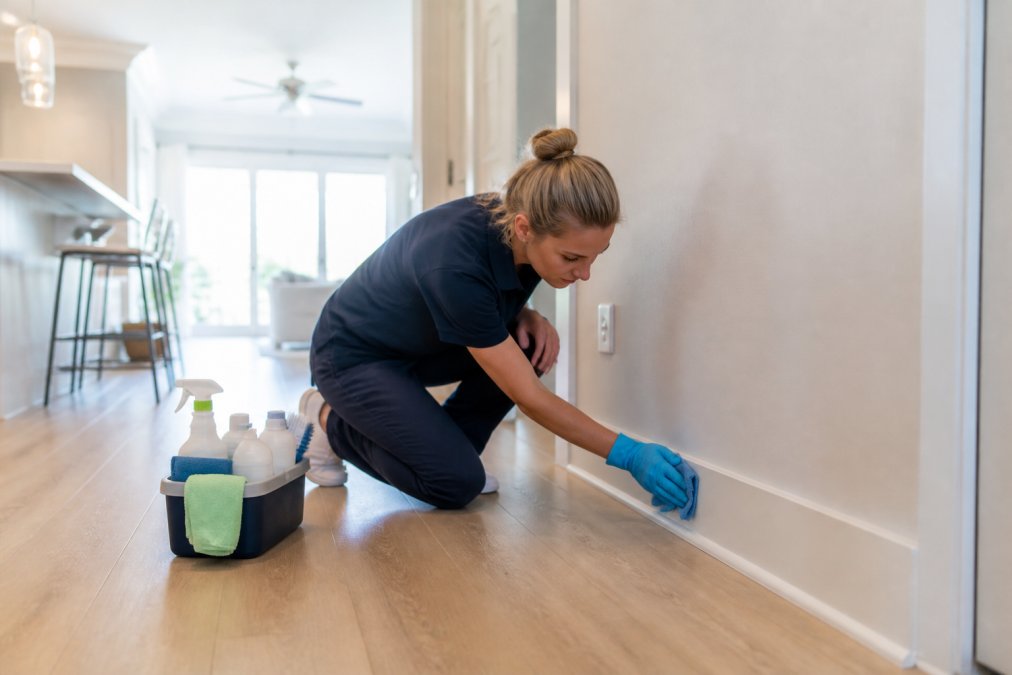
A comprehensive deep cleaning checklist typically covers:
Kitchen:
- Inside refrigerator (shelves, drawers, coils)
- Inside oven and microwave
- Cabinet interiors and shelving
- Baseboards and lower walls
- Light fixtures and ceiling
Bathrooms:
- Grout lines and tile crevices
- Behind and under fixtures
- Inside cabinets and drawers
- Baseboards and corners
- Light fixtures
Living Areas:
- Baseboards throughout
- Window sills and frames
- Door frames and handles
- Behind furniture
- Ceiling corners and vents
General:
- High-touch surface disinfection
- Detailed floor cleaning and grout work
- Appliance exteriors and interiors
- Light fixture cleaning
Professional cleaners use specialized equipment and products designed for thorough disinfection and grime removal (the CDC).
Chelsea Cleaning Company tailors deep cleaning checklists to your priorities.
When to Choose Standard Maintenance vs Deep Cleaning
The decision between standard and deep cleaning depends on your home's condition, your schedule, and your goals.
Choose standard cleaning when:
- Your home is regularly maintained and doesn't have visible grime buildup
- You want to preserve cleanliness between deep cleans
- You need quick turnovers for rental properties or Airbnb guests
- Your budget allows for recurring maintenance rather than occasional intensive cleaning
- You're managing multiple properties and need efficient, predictable service schedules
Choose deep cleaning when:
- Your home hasn't been professionally cleaned in months or longer
- You're preparing to move into a new space or move out of a rental
- You're selling your home and want it in showroom condition
- Post-renovation cleanup is needed
- You notice grime buildup, dust on baseboards, or interior appliance buildup
- You want to restore your home to like-new condition
- You're preparing a rental property for new guests after extended vacancy
Conclusion
The choice between standard and deep cleaning comes down to your home's current condition and your goals. Standard cleaning maintains cleanliness and hygiene through regular maintenance. Deep cleaning restores spaces that have accumulated grime, dust, and allergens over time.
| Service Type | Typical Duration | Best For | Frequency |
|---|---|---|---|
| Standard Cleaning | Less time than deep cleaning | Regular maintenance | Weekly or bi-weekly |
| Deep Cleaning | More time than standard cleaning | Grime removal and restoration | Every 3-6 months or as needed |
| Move-In/Move-Out Deep Clean | More time than standard cleaning | Property transitions | One-time service |
| Post-Renovation Clean | More time than standard cleaning | Construction debris removal | One-time service |
Frequently Asked Questions
What's the main difference between standard and deep cleaning?
Standard cleaning focuses on maintaining your home's day-to-day cleanliness through dusting, vacuuming, mopping, and sanitizing kitchen and bathroom surfaces. Deep cleaning addresses overlooked spaces and surfaces that accumulate grime over time, including baseboards, inside appliances, cabinet interiors, and high-touch surfaces. Deep cleaning requires more time, specialized equipment, and labor-intensive work, making it ideal for move-in/move-out scenarios or when maintenance cleaning alone isn't enough.
How often should you schedule a deep cleaning service?
For most households, scheduling a professional deep clean every 6 to 12 months complements regular maintenance cleaning. If you have pets, allergies, or high-traffic areas, quarterly deep cleans may be beneficial. Airbnb hosts and rental property managers often need deep cleaning between guest turnovers or monthly, depending on occupancy rates. Your specific needs depend on household size, lifestyle, and whether you maintain bi-weekly or monthly maintenance cleaning in between.
Is deep cleaning service worth the cost?
Deep cleaning becomes worthwhile when standard maintenance alone cannot restore your home's cleanliness or when preparing for a move, renovation, or guest arrival. The investment prevents long-term grime buildup that becomes harder and more expensive to address later. For rental property owners and Airbnb hosts, professional deep cleaning ensures guest satisfaction and protects your investment. Many homeowners find the time savings and thorough sanitation justify the higher cost, especially when combined with regular maintenance cleaning for ongoing upkeep.
What equipment and chemicals do professional cleaners use for deep cleaning?
Professional cleaners use specialized equipment and products for thorough sanitation and grime removal.
