How to Create a Luxury Guest Experience in 2026
Table of Contents
- What Makes a Guest Experience Feel Truly Luxurious
- Step 1: Map the Entire Guest Journey Before You Buy a Single Amenity
- Step 2: Build an Airbnb Guest Welcome Guide That Sets the Tone
- Step 3: Create Guest Communication Templates for Every Stage
- Step 4: Personalize the Stay Using Guest Data and Preferences
- Step 5: Elevate the Physical Space With Sensory Design Details
- Step 6: Use an Airbnb Cleaning Checklist to Deliver Five-Star Standards
- Step 7: Add Airbnb Welcome Basket Ideas That Feel Thoughtful, Not Generic
- Measuring What Actually Works
- Service Recovery When Something Goes Wrong
- Privacy, Consent, and Responsible Use of Guest Data
- Accessibility and Inclusive Luxury
- Frequently Asked Questions
Last Updated: October 13, 2026
What Makes a Guest Experience Feel Truly Luxurious
A luxury guest experience is the sum of small, deliberate choices that make a person feel seen, expected, and cared for from booking to checkout.
Here is the uncomfortable truth most hosts learn too late. Guests rarely remember the marble countertop. They remember the sticky bathroom faucet, the missing coffee filters, and the handwritten note waiting on the pillow.
That gap between what hosts spend money on and what guests actually notice is where most luxury efforts fail.
The Difference Between Expensive and Luxurious
Expensive is a price tag. Luxurious is a feeling. A $400 vase does nothing if the sheets smell like bleach. A $12 candle changes the whole room if it sits beside a spotless sink.
Luxury hospitality is about anticipation, not decoration. It means the guest never has to ask for the thing they need, because you already thought of it. That mindset costs less than most hosts assume. It mostly costs attention.
Step 1: Map the Entire Guest Journey Before You Buy a Single Amenity
Most hosts buy stuff first and plan second. That is backwards. Before you order a single throw pillow, write down every moment a guest interacts with your property. This is your guest journey map, and it is the single most useful planning tool in short-term rentals.
A complete map covers six touchpoints:
- Search and booking - photos, listing copy, response time
- Pre-arrival - confirmation message, directions, access details
- Arrival - parking, entry, first impression, welcome note
- The stay - comfort, supplies, temperature, quiet, cleanliness
- Departure - checkout steps, trash, keys, timing
- Post-stay - thank-you message, review request, return offer
Walk your own unit as a guest would. Start at the curb. Note every friction point, every missing item, every spot that looks tired.
The Six Touchpoints That Matter Most
Rank each touchpoint by how much stress it causes a guest. A confusing lockbox creates more anxiety than an average sofa ever will. Fix the high-anxiety points first, then spend on the nice-to-haves.
Step 2: Build an Airbnb Guest Welcome Guide That Sets the Tone
An Airbnb guest welcome guide is a short document that tells guests everything they need to know about your property, from Wi-Fi passwords to checkout rules. Done well, it removes 80% of the questions you get during a stay. Done badly, it reads like a legal contract.
Keep it to one or two pages. Use plain language. Group it into clear sections:
- Essentials: Wi-Fi name and password, address, parking, entry code
- How things work: thermostat, coffee maker, TV, washer
- House rules: quiet hours, pets, smoking, trash day
- Local picks: your three favorite restaurants, one coffee shop, one grocery store
- Checkout: what to do with towels, dishes, and trash
Print one copy and leave it on the kitchen counter. Also send it digitally before arrival. Some guests read paper, some read phones.
Step 3: Create Guest Communication Templates for Every Stage
Guest communication templates are pre-written messages you reuse for every booking. They save you time and keep your tone consistent. The best hosts write three: pre-arrival, arrival day, and post-stay.
Pre-Arrival, Arrival Day, and Post-Stay Messages
Pre-arrival (3 days out): Confirm the booking, share the address, mention parking, and ask about any special needs. Example: "Hi [Name], we're excited to host you. Your check-in details are below. Let us know if you're celebrating anything special."
Arrival day (morning of check-in): Send the door code, Wi-Fi info, and a one-line welcome. Keep it short. Guests are traveling and reading on a phone.
Post-stay (day after checkout): Thank them, ask for a review, and offer a return discount. A simple "It was a pleasure hosting you, and we'd love to have you back" goes a long way.
Step 4: Personalize the Stay Using Guest Data and Preferences
Personalization starts with a guest profile. That is a simple record of what each guest told you or showed you: why they came, who they brought, what they asked about.
You do not need fancy software. A spreadsheet works. Track:
- Trip purpose (business, family, romantic, event)
- Group size and ages
- Dietary notes or allergies mentioned in messages
- Repeat guests and their past requests
- Any complaints or compliments from prior stays
Use that data in small ways. A bottle of sparkling cider for an anniversary. A list of kid-friendly parks for a family. A quiet desk setup for a business traveler.
Guest recognition is the payoff. When a returning guest walks in and sees their favorite coffee already on the counter, they feel like a regular, not a reservation number.
Step 5: Elevate the Physical Space With Sensory Design Details

Sensory experience is what separates a nice rental from a memorable one. Guests absorb a space through sight, touch, smell, and sound before they consciously evaluate it.
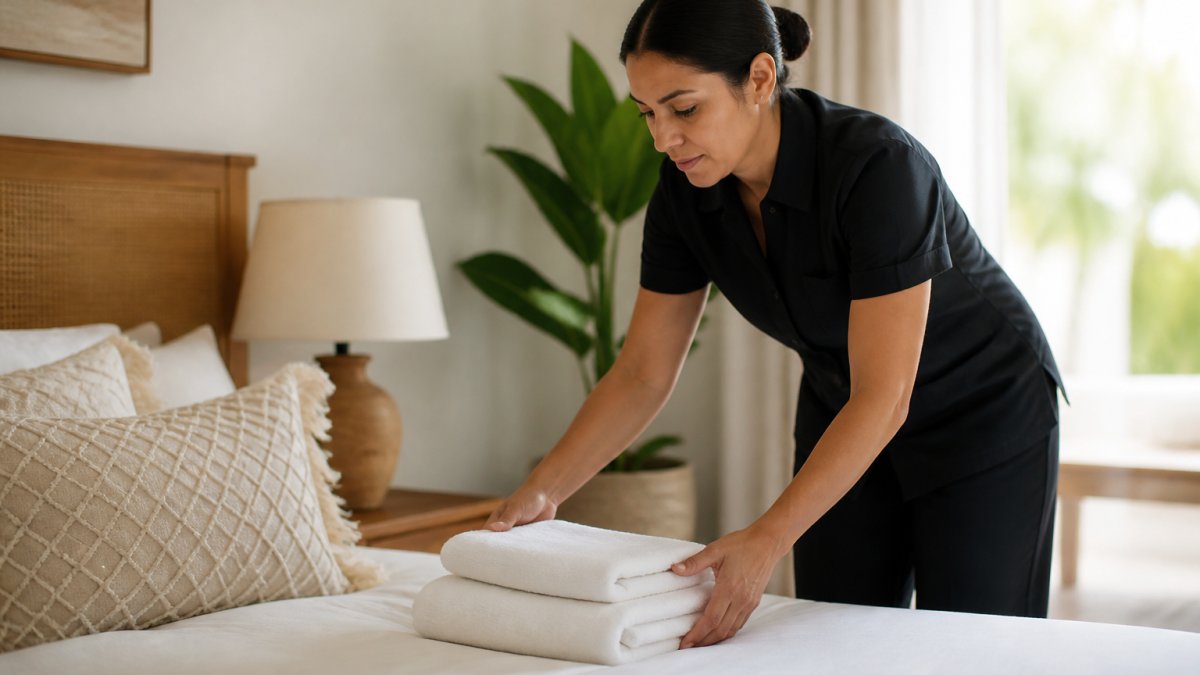
Start with the bed. Luxury bedding with high thread count sheets and a soft duvet signals care more than any piece of furniture.
Lighting, Textures, and Temperature
Mood lighting beats overhead glare every time. Add warm bulbs, dimmable lamps, and a bedside light guests can reach without getting up. Adjustable lighting lets guests set their own tone.
Temperature settings matter too. A smart thermostat that guests can adjust without calling you removes a common complaint. Set it to a comfortable default before arrival.
The color palette should stay calm: warm neutrals, soft blues, muted greens. Loud colors photograph well and live poorly. Comfortable seating with a real back and armrests gets used. Decorative chairs that hurt after ten minutes do not.
Step 6: Use an Airbnb Cleaning Checklist to Deliver Five-Star Standards
An Airbnb cleaning checklist is a written list your cleaner follows on every turnover, room by room. It is the difference between "looks clean" and "is clean." Guests notice the gap.
A strong checklist covers what a quick tidy misses:
- Baseboards wiped and free of dust
- Inside of fridge, microwave, and oven checked
- Cabinet fronts and handles wiped
- Bathroom grout, drains, and mirrors spotless
- Under beds and behind furniture vacuumed
- Fresh linens on every bed, every time
- Restocked paper goods, soap, and coffee
Five-star service lives in these details. A guest who finds hair in the shower drain writes a review about it. A guest who finds a spotless bathroom tells their friends.
This is where professional help pays off. Chelsea Cleaning Company builds customized turnover checklists for each property, covering everything from baseboards to the inside of appliances, and backs every visit with a 24-hour satisfaction guarantee. That guarantee matters.
Step 7: Add Airbnb Welcome Basket Ideas That Feel Thoughtful, Not Generic
Airbnb welcome basket ideas work best when they match the guest, the season, and the location. A generic basket of crackers and bottled water says nothing. A basket built for the person arriving says everything.
Try these:
- Local treats: a bag of coffee from a nearby roaster, a bar of chocolate from a local maker
- Seasonal items: sunscreen and aloe in summer, hot cocoa packets in winter
- Practical touches: phone charger, stain remover pen, earplugs
- Personal notes: a handwritten card with the guest's name and a local tip
- Local welcome gifts: a small item tied to the area, like a beach tote or a jar of local honey
Keep the basket small and useful. The goal is not to impress with volume. It is to show you thought about them.
Measuring What Actually Works
You cannot improve what you do not track. Pull four numbers from every stay:
| What to Track | Where to Find It | What Good Looks Like |
|---|---|---|
| Review score | Platform dashboard | Steady or rising over 10 stays |
| Cleanliness rating | Review breakdown | No dips after turnover changes |
| Repeat bookings | Booking history | Growing share of returning guests |
| Response time | Message log | Under one hour during waking hours |
If cleanliness ratings drop, revisit Step 6 first. If repeat bookings stall, look at Step 4 and Step 7. Small fixes in the right place move these numbers faster than a full redesign.
Service Recovery When Something Goes Wrong
Even perfect hosts miss something. A broken AC, a late cleaner, a noisy neighbor. What matters is what you do next. Service recovery is the art of fixing a problem so well the guest remembers the fix, not the failure.
Follow this order:
- Acknowledge fast. Reply within the hour, even if you do not have the answer yet.
- Apologize plainly. No excuses, no blame.
- Fix it now. Send someone, refund a night, or offer a credit.
- Follow up. Check in the next day to confirm the guest is happy.
A guest whose problem was solved in two hours often leaves a better review than one who never had a problem at all.
Privacy, Consent, and Responsible Use of Guest Data
Collect only what you need. Store it securely. Delete it when it is no longer useful. That is the whole rule.
Do not share guest names, dates, or details with anyone outside your operation. Do not post guest photos without written permission. If you use smart devices in the unit, tell guests in the welcome guide exactly what is there and what it does. Transparency builds trust. Secrecy destroys it.
Accessibility and Inclusive Luxury
Luxury that excludes people is not luxury. Simple changes widen your guest pool and cost little:
- Clear, well-lit paths from parking to the door
- Grab bars in at least one bathroom
- Step-free entry where possible
- Large-print versions of your welcome guide
- Fragrance-free cleaning options for guests with sensitivities
These details rarely make the listing photos. They make the stay.
Frequently Asked Questions
What makes a guest experience feel luxurious?
Luxury comes from anticipation and attention, not price tags. Guests feel pampered when the space is spotless, the lighting is warm and adjustable, the bedding feels soft, and small details show you remembered their preferences. A handwritten note, their preferred coffee, or a local recommendation tailored to their interests often lands harder than expensive furniture. The goal is making guests feel recognized as individuals rather than processed through a standard rental.
How can hosts personalize a guest's stay on a budget?
Start with what you already know from the booking: trip purpose, group size, and any messages exchanged. A couple celebrating an anniversary gets a different welcome note than a family with toddlers. Simple moves like adjusting the thermostat before arrival, leaving a local treat, or printing a one-page guide to your favorite nearby spots cost little but signal care. Personalization is about relevance, not spending more.
What amenities make a short-term rental feel more luxurious?
Focus on items guests actually touch and use daily: high-quality bedding, plush towels, blackout curtains, adjustable lighting, and a well-stocked kitchen with sharp knives and proper cookware. Fast Wi-Fi, reliable hot water, and a comfortable mattress matter more than decorative extras. A small welcome basket with local snacks or coffee adds a memorable touch without a large investment.
How do I keep quality consistent across multiple rental units?
Build a written checklist for every turnover and treat it as non-negotiable. Include baseboards, inside cabinets, appliance interiors, and bathroom grout, not just surface cleaning. Photograph each finished room before guests arrive so you have a record. If you manage several units, a professional cleaning team with customized checklists per property removes the guesswork and keeps standards identical across every stay.
